Archives - Page 9
-
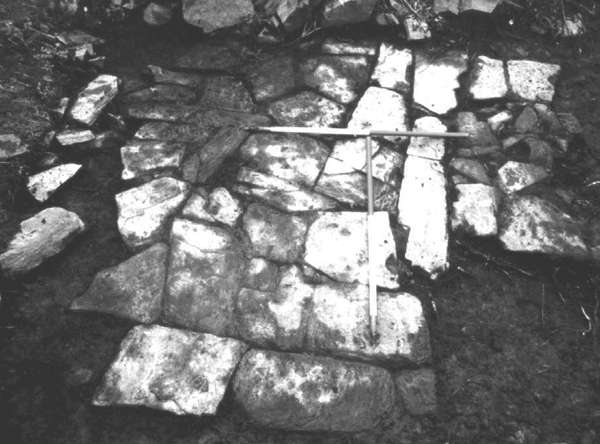
Angus McEachen's house: the anatomy of an early 19th-century crofting settlement near Arisaig
Vol. 35 (2009)Angus McEachen's house: the anatomy of an early 19th-century crofting settlement near Arisaig
Contributor: Sue Anderson
Summary: This report presents the results of an excavation and historical study of an early 19th-century settlement at Brunary Burn near Arisaig, Highlands (NGR: NM 6770 8578). CFA Archaeology Ltd carried out the excavation during October 2005 in advance of the realignment and upgrading works of the A830 between Fort William and Arisaig. Two rectangular drystone buildings were excavated, along with a yard area between them. Artefacts recovered included pottery, iron tools, cauldron fragments, slate roofing and clay pipe fragments. The project provided an opportunity to bring together social historical research with archaeological evidence for a somewhat archaeologically under-studied period, and also identified the former inhabitants of the settlement as Angus McEachen and his extended family. The buildings appear to have been occupied for perhaps a single generation before the family was evicted and moved to new accommodation within the area.
Keywords: Pottery, Iron Tools, Cauldron Fragments, Slate, Artefacts, Settlement, Clay Pipe Fragments
Periods: medieval, 19th century
Location: Highland, Scotland, UK
-
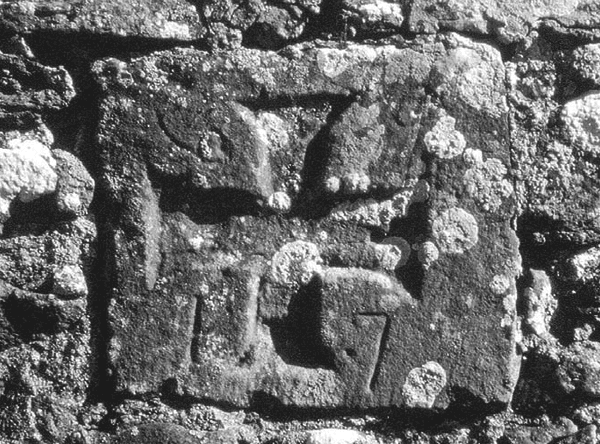
Two prehistoric short-cists and an early medieval long-cist cemetery with dug graves on Kingston Common, North Berwick, East Lothian
Vol. 34 (2009)Two prehistoric short-cists and an early medieval long-cist cemetery with dug graves on Kingston Common, North Berwick, East Lothian
Contributors: Paul Duffy, Adam Jackson, John Lawson, Ann MacSween, Graeme Warren, George Mudie, Kevin Hicks and Leeanne Whitelaw
Summary: Human remains were discovered during the laying of a water pipe to service the refurbished Fenton Tower at Kingston, near North Berwick (NGR: NT 544 823), in 2001. Two short-cist burials, thirty-eight long-cist burials and bank-defined terraces containing dug graves and a possible chapel (NT58SW 152) were found. It is suggested that three main periods of burial are represented, spanning the Neolithic to the early 2nd millennium AD.
Keywords: Burial, Longcist Cemetery, Chapel, Human Remains, Graves, Burials
Periods: Medieval, Neolithic, Prehistoric
Location: East Lothian, Scotland, UK
-
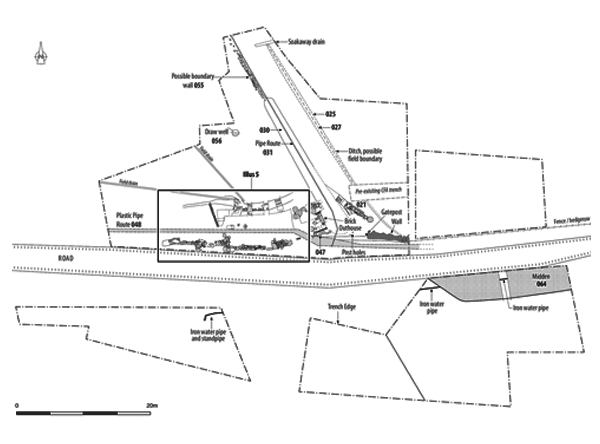
A social history of 19th-century farm workers and their families, at Jack's Houses, Kirkliston, Midlothian
Vol. 33 (2009)A social history of 19th-century farm workers and their families, at Jack's Houses, Kirkliston, Midlothian
Contributors: Sue Anderson, Mike Cressey, George Haggarty and Robin Murdoch
Summary: The remains of two 19th-century row cottages and associated structures and deposits were discovered at Jack's Houses, near Kirkliston (NGR: NT 1235 7540). Nearby agricultural remains included a field system with boundary walls, drains and a draw well. A large rubbish dump containing pottery and ceramics has been interpreted as urban waste imported to the site to be added to the land in order to break up the clay soil for cultivation. A historical study undertaken in combination with the archaeological work afforded a view into the lives of the transient agricultural labourers and their families who occupied the houses over a century. The combined disciplines have provided us with a rare insight into a part of rural social history from the early mid-19th to the early 20th centuries.
Keywords: Cottages, Field System, Ceramics, Pottery, Boundary Walls Drains, Farm Workers, Rubbish Dump, Ceramics, Animal Bone
Periods: Modern, 19th century
Location: Edinburgh, Scotland, UK
-
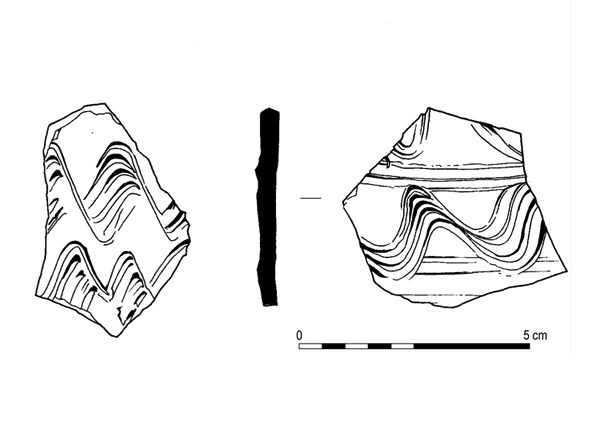
Archaeology of landscape change in south-west Scotland, 6000 BC–AD 1400: excavations at William Grant and Sons Distillery, Girvan
Vol. 32 (2008)Archaeology of landscape change in south-west Scotland, 6000 BC–AD 1400: excavations at William Grant and Sons Distillery, Girvan
Contributors: Ewan Campbell, John S Duncan, Jennifer Miller, Susan Ramsay, Catherine Smith, Eland Stuart, Keith Speller, Stuart Halliday, Bob Will, John Arthur, Caitlin Evans and Charlotte Francoz
Summary: Between 1996 and 1998, Glasgow University Archaeological Research Division (GUARD) undertook a programme of archaeological investigation at the headquarters of William Grant and Sons Distillers Ltd, Girvan (NGR: NS 200 006). The work revealed evidence of occupation and use from prehistoric times, including palaeobotanical and pedological evidence of deliberate prehistoric tree clearance, and the presence of six discrete deposits of burnt mound material. The project also confirmed the survival of archaeological deposits relating to the occupation of the medieval moated enclosure of Ladywell. A number of worked lithics, indicative of prehistoric tool making or maintenance, were also recovered. The excavation and post-excavation work allowed an opportunity to explore the occupational, ecological and geomorphological history of the entire length of the valley, from the immediate post-glacial period to the present day. The results contribute significantly to our understanding of the changing patterns of human interaction with environment and landscape over a period of some 10,000 years, both in the immediate area and beyond.
Keywords: Moated Enclosure, Pedological, Burnt Mound Material, Pottery, Animal Bone
Periods: Medieval, Prehistoric, Mesolithic
Location: South Ayrshire, Scotland, UK
-
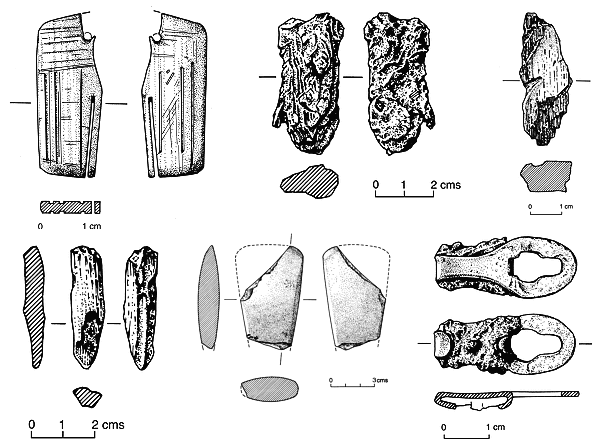
Mesolithic and later sites around the Inner Sound, Scotland: the work of the Scotland's First Settlers project 1998–2004
Vol. 31 (2009)Mesolithic and later sites around the Inner Sound, Scotland: the work of the Scotland's First Settlers project 1998–2004
Contributors: Patrick Ashmore, Phil Austin, James Barrett, Stuart Campbell, Ann Clarke, Michael Cressey, Alastair Dawson, Susan Dawson, Kevin Edwards, Nyree Finlay, Fraser Green, Andrew Heald, Fraser Hunter, Arlene Isbister, Ann MacSween, Lorna McAllan, Nicky Milner, Anthony Newton, Rachel Parks, Rick Schulting and Robert Shiel
Summary: Scotland's First Settlers comprised a survey project to locate and examine sites relating to the earliest, Mesolithic, settlement of the Inner Sound, along the coastlands between Skye and the west coast of Scotland. Particular foci of interest included the existence and nature of midden sites, the use of rockshelters and caves, and the different types of lithic raw material in use. In addition, information relating to the human use of the area up to the present day was recorded. Fieldwork took place over five years between 1999 and 2004: the entire coastline of the Inner Sound together with its islands was walked; 129 new archaeological sites were recorded; 36 sites were shovel pitted; 44 test pitted; and one major excavation took place. Excavation at Sand has been particularly exciting as it has resulted in the analysis of a shell midden dating to the early-mid-7th millennium BC, the early Mesolithic of Scotland. This report comprises the results of survey and excavation work as well as detailed artefact reports, full information on ecofacts such as shell, and bone, and information on the development of the landscape and environment, including sea level change. Finally, the broad-scale coverage of the project has led to a number of discussion points that have much to offer further work, both within the area and further afield.
Digital material associated with this project is available through Archaeology Data Service archive http://dx.doi.org/10.5284/1000285
Keywords: Lithic Raw Material, Shell Midden, Survey, Caves, Midden, Bone, Pottery, Animal Bone, Fish Bone
Period: Mesolithic
Location: Highland, Scotland, UK
-
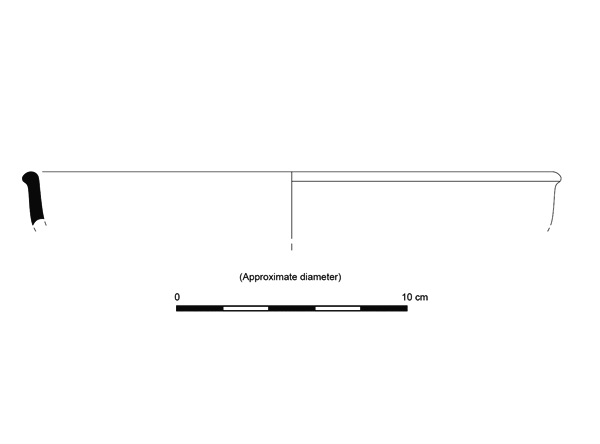
Archaeological monitoring in the streets of Musselburgh: recent discoveries
Vol. 30 (2009)Archaeological monitoring in the streets of Musselburgh: recent discoveries
Contributors: Julie Franklin, Elin Evertsson and Anna Faras-Pagowska
Summary: Archaeological monitoring of water mains renewal in Musselburgh has provided new information on the medieval and post-medieval development of the burgh, as well as adding to known information on the vicus of the Roman fort, the Newbigging pottery and the town mill lade. Activity associated with the Newbigging pottery seems to have extended further to the west than the boundaries of the pottery indicated on 19th-century maps of the town, while Roman remains associated with the vicus survive in places beneath the road surface of Inveresk Brae. However, while archaeological deposits related to the medieval burgh were located broadly where expected, they were fragmentary in comparison with similar deposits from pipeline monitoring schemes in Perth, North Berwick and Crail. The data from Musselburgh are in part less coherent due to the kinds of work monitored within the burgh core, but it is probable that they also reflect a lesser degree of preservation of archaeological deposits beneath the road surface. This is partly due to modern development, and partly due to the geographic situation of the burgh, which does not appear to have encouraged the formation of stratified deposits sealed by wind-blown sand, as in North Berwick, or the anaerobic preservation conditions prevalent within Perth.
Keywords: Town Mill, Fort, Archaeological Deposits, Pottery, Midden, Settlement
Periods: Medieval, Roman
Location: East Lothian, Scotland, UK
-
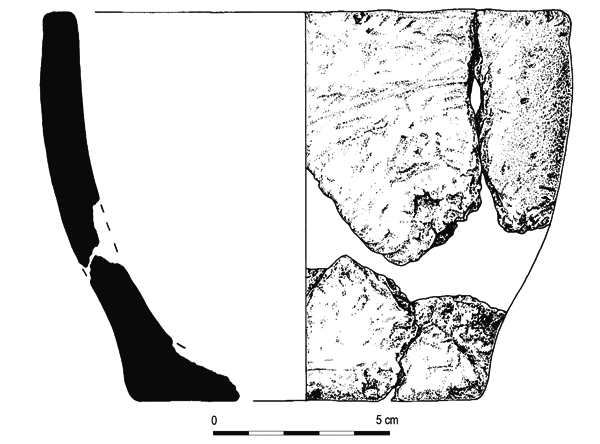
A Bronze Age burial from Pabay Mor, Isle of Lewis, Western Isles
Vol. 29 (2009)A Bronze Age burial from Pabay Mor, Isle of Lewis, Western Isles
Contributors: Paul Duffy, Gavin MacGregor and Beverley Ballin Smith
Summary: In 2002 human remains were reported eroding from a section of sandy cliff on the eastern side of the island of Pabay Mor, Isle of Lewis (NGR: NB 1048 3795). Subsequent excavation of the site was undertaken by GUARD, as part of the Historic Scotland Human Remains Call-off Contract. This revealed a burial of a mature male of approximately 50–59 years of age, placed in a grave adjacent to a marker stone. The burial was crouched and aligned north–south and accompanied by a small undecorated pot, a polished stone and a pumice polisher. A radiocarbon date of 1450–1290 cal BC (GU-13838) was obtained from human bone from the burial. A second, infant, individual, represented only by a fragment of mandible, was identified from disarticulated remains found at the burial.
Keywords: Human Remains, Bone, Mandible, Polished Stone, Grave, Burial
Period: Bronze Age
Location: Western Isles, Scotland, UK
-
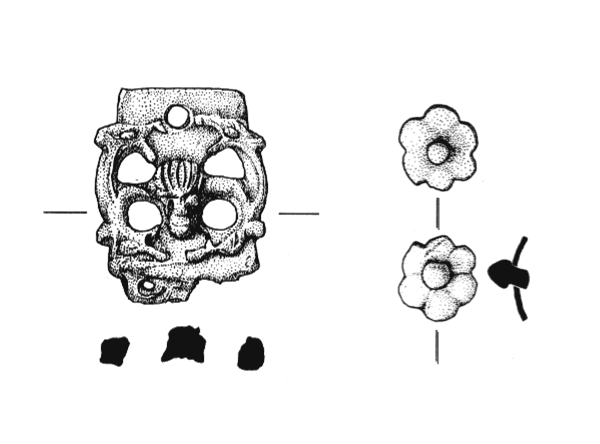
Early medieval settlement and ironworking in Dornoch, Sutherland: excavations at The Meadows Business Park
Vol. 28 (2008)Early medieval settlement and ironworking in Dornoch, Sutherland: excavations at The Meadows Business Park
Contributors: Simon Chenery, Adrian Cox, Derek Hall, Mhairi Haistie and Catherine Smith
Summary: Monitoring and excavation during the development of a new business park in Dornoch (NGR: NH 797 895) in 1997 revealed numerous features including a building, ditched enclosures and several hearths, all sealed beneath an artefact-rich cultivation soil. Radiocarbon dates obtained place the main period of activity here in the late 1st millennium AD. The evidence recovered also suggests a tradition of ironworking here from the early medieval period continuing through into the medieval period. A small assemblage of finds was recovered from the excavation, including quantities of iron slag, bog iron ore, fragments from a clay-lined furnace, whale bone, a bone counter and a bone pin beater. This paper reports on the results of the work and includes an extended section on the analysis of the iron making and working evidence.
Keywords: Building Ditched Enclosures, Settlement, Bone, Ironworking Evidence, Iron Slag Bog Iron, Bone Pin Beater
Period: Early Medieval
Location: Highland, Scotland, UK
-
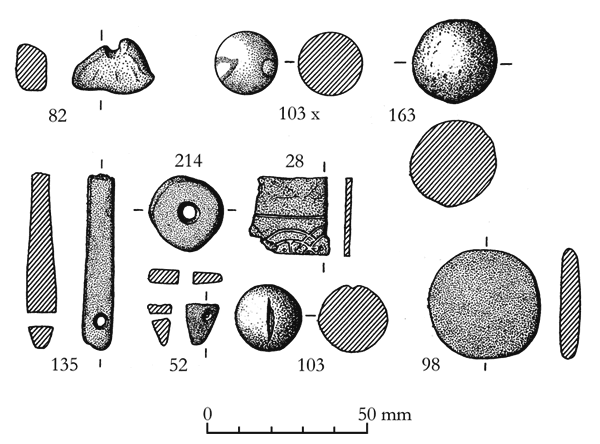
Bruach An Druimein, Poltalloch, Argyll: excavations directed by the late Eric Cregeen, 1960–2
Vol. 27 (2008)Bruach An Druimein, Poltalloch, Argyll: excavations directed by the late Eric Cregeen, 1960–2
Contributors: Beverley Ballin Smith, Ewan Campbell, Camilla A Dickson, Andrew Heald, Fraser Hunter, Jennifer Miller, Susan Ramsay, Jennifer Thoms, Graeme Warren and Bob Will
Summary: Rescue excavations in advance of gravel quarrying were carried out under the direction of the late Eric Cregeen from 1960 to 1962, at Bruach an Druimein, Poltalloch, Mid Argyll (NGR: NR 820 972). The site lies on one of the fluvio-glacial terraces which border the Kilmartin Glen, overlooking the lower ground, which has one of the densest concentrations of prehistoric funerary monuments in Britain. The site had previously been identified as containing later prehistoric and Early Historic cist burials and a degraded bank. The main features of the excavated part of site were an enclosing ditch complex, and numerous post-holes and other occupation evidence within the ditch. Possible Neolithic/Bronze Age activity was indicated by lithic scatters and possible burnt mound material. Several Bronze Age cist-burials, also uncovered during the quarrying, have already been published. The main phase of occupation, as supported by a series of radiocarbon dates, lay in the later first millennium BC, the early Iron Age period. The post-holes were interpreted as belonging to at least two roundhouses, important as the first such structures identified in Atlantic Scotland, though common in eastern and southern Britain.
Keywords: Hazel Coppicing, Graves, Charcoal, Stone, Artefacts, Funerary, Ditch, Hulled Sixrow Barley, Cereal, Excavated, Gravel Quarrying, Metalworking, Settlement, Lithic Scatters, Early Historic Cist Burials, Cistburials, Pottery
Periods: Iron Age, Bronze Age, Prehistoric
Location: Argyll and Bute, Scotland, UK
-
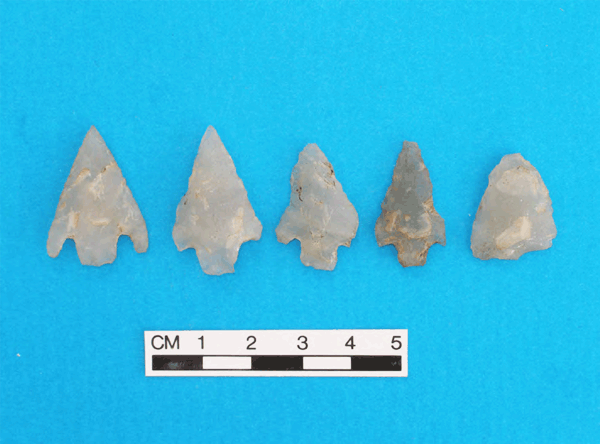
Quartz technology in Scottish prehistory
Vol. 26 (2008)Quartz technology in Scottish prehistory
Summary: The project Quartz Technology in Scottish Prehistory was initiated in the year 2000, and over the following five years a large number of quartz assemblages were examined from all parts of Scotland, and from all prehistoric periods. The general aim of the project was to shed light on quartz variability, that is, to define how quartz assemblages in different periods and areas of the Scottish quartz province (the north, north-west and Highland regions of Scotland) differ. Subsequently it was attempted to explain the observed variability, focusing on factors such as chronology, territoriality, access to lithic resources, technology and activity patterns. In the larger framework, the present paper forms part of international efforts to increase awareness of archaeological quartz as an important resource. It is hoped that the research put forward in this paper may prove useful to quartz researchers in other parts of the world.
Keywords: Blank Production Tool, Quartz Quarry
Periods: Prehistoric, Iron Age, Palaeolithic
Location: Scotland, UK