Archives - Page 7
-
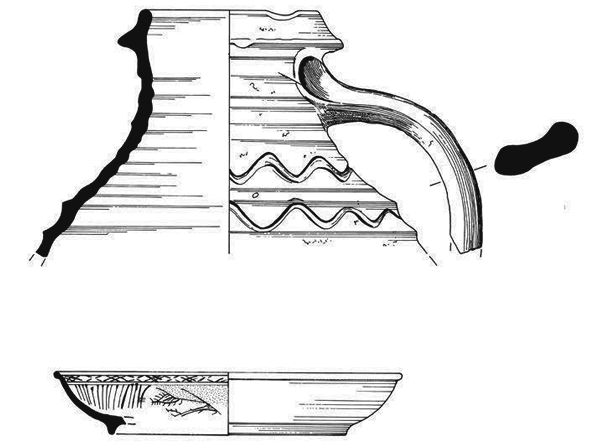
Marlin's Wynd: new archaeological and documentary research on post-medieval settlement below the Tron Kirk, Edinburgh
Vol. 55 (2013)Marlin's Wynd: new archaeological and documentary research on post-medieval settlement below the Tron Kirk, Edinburgh
Contributors: George Haggarty, Hugh Wilmott and Nicholas Holmes
Summary: The 17th-century Tron Kirk, on the High Street, Edinburgh (NGR: NT 2592 7363), is built over the remains of tenement buildings that were pulled down to allow its construction. The re-development of the building provided an opportunity to complete the earlier excavations carried out between 1974 and 1983 and a more complete footprint of the tenements emerged, together with a fragment of the old High Street. The archaeological investigation has been complemented by documentary research which has populated the tenements with colourful occupants as far back as the late 15th century. The artefact assemblages from both the recent and earlier excavations contain only material of 16th- and 17th-century date, which suggests that the tenements had been redeveloped during the late 15th/early 16th centuries, thus removing all but a trace of the earlier medieval settlement.
Keywords: settlement, Charcoal, courtyard, Industrial activity, Leather, Pottery, Animal Bones, Glass, Ceramic
Periods: medieval, post-medieval
Location: Edinburgh, Scotland, UK
-
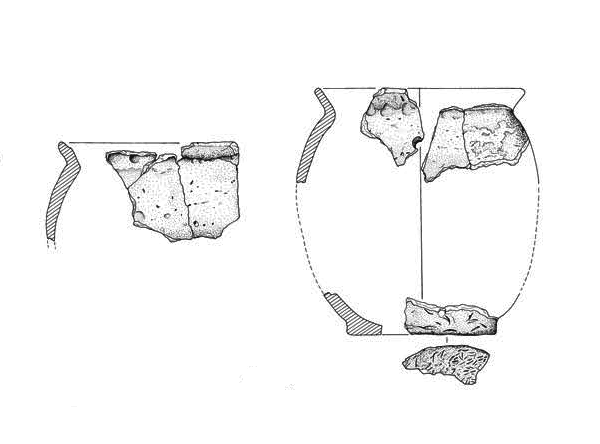
Excavation of post-built roundhouses and a circular ditched enclosure at Kiltaraglen, Portree, Isle of Skye 2006–07
Vol. 54 (2013)Excavation of post-built roundhouses and a circular ditched enclosure at Kiltaraglen, Portree, Isle of Skye 2006–07
Contributors: Melanie Johnson, Torben Bjarke Ballin, Adam Jackson, Dawn McLaren, Nicholas Holmes, Sue Anderson, Mhairi Hastie, Michael Cressey, Robert McCulloch and Clare Ellis
Summary: This report details the archaeological remains recorded by CFA Archaeology Ltd during a programme of fieldwork at Kiltaraglen, now a residential housing development on a prominent, elevated site at the northern edge of Portree on the Isle of Skye (NGR: NG 476 444). The fieldwork ran from September 2006 until March 2007. The project resulted in the discovery and excavation of varied archaeological remains including timber roundhouses, a circular ditch-defined enclosure, post-alignments and settings, miniature souterrains, probable standing stone sockets and an assortment of pits. An assemblage of Beaker pottery was recovered from two pits but the site was generally artefact-poor and reliance was placed on radiocarbon dating that indicates occupation of the site began in the Early Bronze Age and ended in the medieval period, with most activity occurring during the Later Bronze Age. This is of great interest as archaeological remains dating to the Later Bronze Age on the Isle of Skye have previously been notable only by their absence.
Keywords: fieldwork, Beaker pottery, roundhouses, pits, ditched enclosure, timber roundhouses, charcoal, stone slag, coin
Periods: Late Bronze Age, Early Bronze Age, Bronze Age, medieval
Location: Highland, Scotland, UK
-
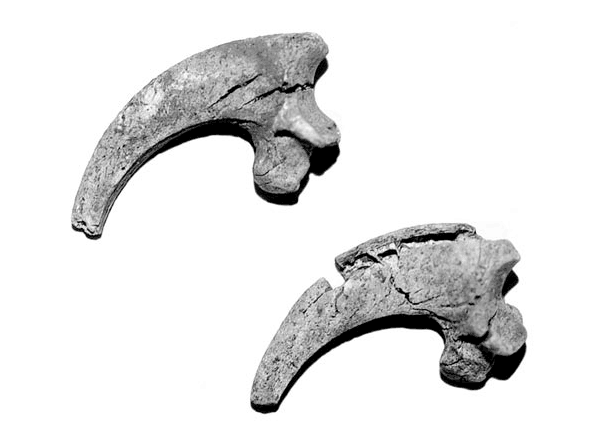
An Early Bronze Age unenclosed cremation cemetery and Mesolithic pit at Skilmafilly, near Maud, Aberdeenshire
Vol. 53 (2012)An Early Bronze Age unenclosed cremation cemetery and Mesolithic pit at Skilmafilly, near Maud, Aberdeenshire
Contributors: Torben Bjarke Ballin, Michael Cressey, Mhairi Hastie, Adam Jackson, Dawn McLaren, Kathleen McSweeney, Catherine Smith and Lucy Verrill
Summary: An unenclosed Early Bronze Age cremation cemetery was excavated by CFA Archaeology Ltd (CFA) during a watching brief associated with the construction of a natural gas pipeline from St Fergus to Aberdeen, Aberdeenshire (NGR: NJ 9088 3990), in the summer of 2001. The cremation cemetery contained 41 pits, 29 of which contained cremated human bone, and 11 of these were associated with Collared or Cordoned Urns. The cremations have been radiocarbon dated, through a combination of charcoal and bone apatite, to 2040 to 1500 BC, and the cemetery is the most comprehensively dated in Britain of this period. A variety of grave goods were recovered, including a pair of Golden Eagle talons and a flint foliate knife. A large Mesolithic pit was found in the same location as the cremation pits and was dated to 4510–3970 BC.
Keywords: pit, bone, cremation cemetery, charcoal, cemetery, Grave, Cremations, Bone, Charcoal, Flint, Pits, Collared Urn, Cordoned Urn
Period: Mesolithic, Early Bronze Age, Late Neolithic
Location: Aberdeenshire, Scotland,UK
-
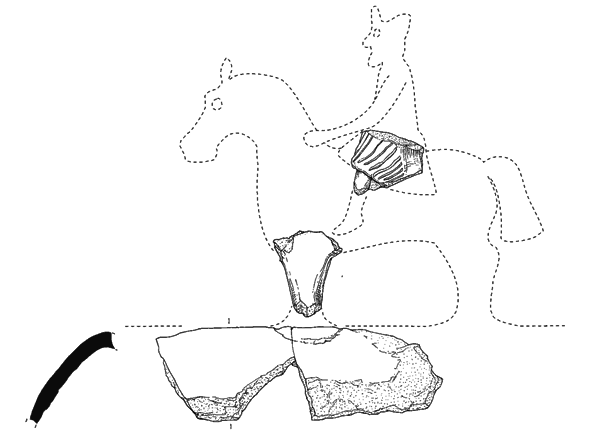
Excavations at the Bishop's Palace, Old Rayne, Aberdeenshire in 1990 and 2008
Vol. 52 (2012)Excavations at the Bishop's Palace, Old Rayne, Aberdeenshire in 1990 and 2008
Contributors: Torben Bjarke Ballin, Ruby Cerón-Carrasco, David Masson, Catherine Smith and Scott Timpany
Summary: This report on the excavations at the Bishop of Aberdeen's manor at Old Rayne, Aberdeenshire (NGR: NJ 6758 2851), undertaken in 1990 and 2008, examines the morphology of the site and details the evidence for high-status buildings and an intricate water-system there in the late 13th/early 14th century. The environmental analyses give a glimpse into the economy of the manor and there is some discussion of the extent to which this episcopal site compares to the small number of secular manors excavated to date in north-east Scotland.
Keywords: Fired Clay, Mound, Ditch, Enclosure, Pottery sherds, Lithics, Animal bone
Periods: late 13th century, early 14th century, medieval
Location: Aberdeeshire, Scotland, UK
-
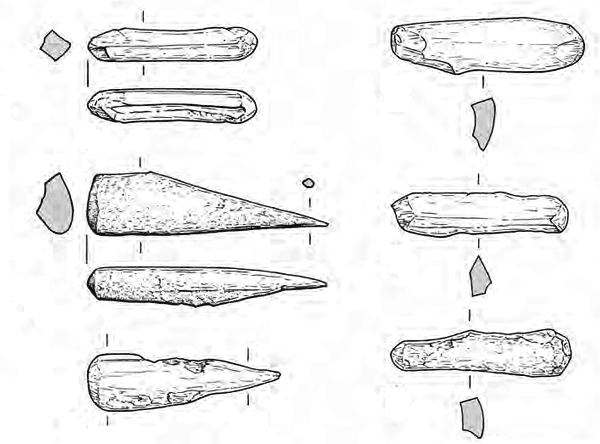
An Corran, Staffin, Skye: a rockshelter with Mesolithic and later occupation
Vol. 51 (2012)An Corran, Staffin, Skye: a rockshelter with Mesolithic and later occupation
Contributors: László Bartosiewicz, Clive Bonsall, Margaret Bruce, Stephen Carter, Trevor Cowie, Oliver Craig, Ywonne Hallén, Timothy G Holden, N W Kerr, Jennifer Miller, Nicky Milner and Catriona Pickard
Summary: The An Corran rockshelter, on the north-east coast of the Trotternish peninsula, Skye (NGR: NG 4915 6848), contained a series of shell midden and other deposits with evidence for human occupation from Mesolithic and later periods. A rescue investigation of the site in the winter of 1993–94, immediately prior to anticipated total destruction by rock-blasting for roadworks, included the excavation of a trench dug down to bedrock. A total of 41 separate contexts were identified. Of these, 31 were recent or later prehistoric, the upper levels containing a series of hearths of recent date and an Iron Age copper-alloy pin. The lowest 10 layers were identified initially as Mesolithic on the basis of bone tool and lithic typology, but a series of 18 radiocarbon dates indicates they contain the residues of subsequent prehistoric activity as well. These layers consisted of several distinct areas of midden, below which there were two, possibly three, horizons which, probably based on the presence of broad blade microliths, represent Early Mesolithic activity. The midden layers also contained some human bones radiocarbon-dated to the Neolithic period. The rockshelter was located below an outcrop of baked mudstone and near a source of chalcedonic silica. Both these lithic raw materials were widely used during the Mesolithic as far away as the island of Rum.
Keywords: Hearths, Copper alloy Pin, Baked Mudstone, Shell Midden, Radiocarbon Dates, Rum, Midden, Blade Microliths, Bone, Human Bones, Animal Bones, Human Remains
Periods: Early Mesolithic, prehistoric, Mesolithic, Neolithic, Iron Age
Location: Highland, Scotland, UK
-
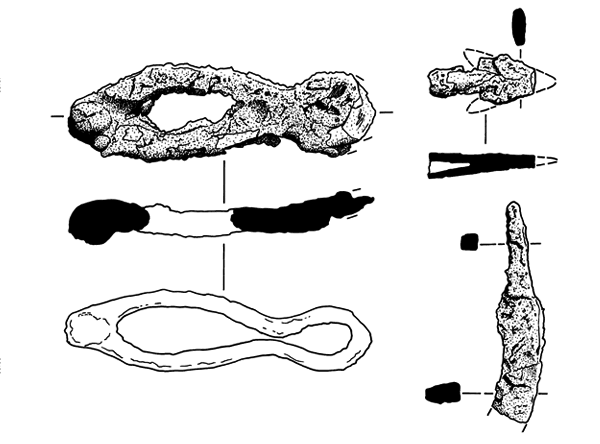
A rural medieval settlement and Early Iron Age funerary remains at Hallhill, Dunbar, East Lothian
Vol. 50 (2011)A rural medieval settlement and Early Iron Age funerary remains at Hallhill, Dunbar, East Lothian
Contributors: Adrian Cox, Ruby Céron-Carrasco, Derek Hall, Adam Jackson, Catherine Smith
Summary: An archaeological excavation at Hallhill, Dunbar (NGR NT 674 775), has revealed the remains of a rural medieval settlement. Few such sites have been identified in Scotland. Two irregular structures, an enclosure and other possible structures, as well as numerous pits and several gullies and ditches were identified. Large quantities of medieval pottery were recovered from the fills of many of the features, as well as animal bone, coarse stone and metal artefacts. Further to the north, a sub-square ditched enclosure was also found, although this could not be stratigraphically related to the medieval remains and is undated. Adjacent to it was a pit containing incomplete remains of a human skeleton which have been dated to the Late Bronze Age.
Keywords: Pit, Enclosure, Metal Artefacts, Stone, Ditch, Ditched Enclosure, Animal Bone, Pottery, Settlement, Human Skeleton, Gullies, Long Cist Cemetery, Excavation, Rural Settlement
Periods: Early Iron Age, Late Bronze Age, medieval
Location: East Lothian, Scotland, UK
-
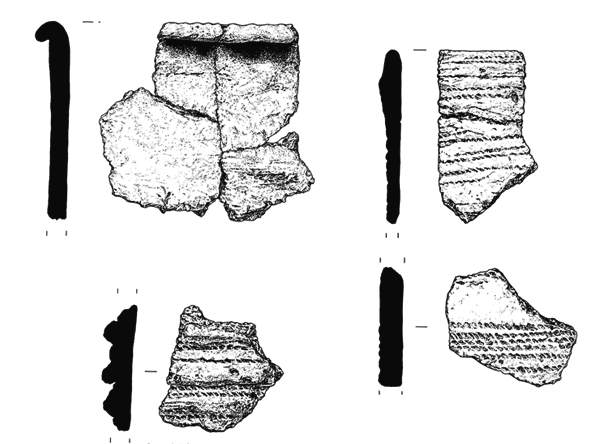
Neolithic domesticity and other prehistoric anomalies: excavations at Laigh Newton, East Ayrshire
Vol. 49 (2011)Neolithic domesticity and other prehistoric anomalies: excavations at Laigh Newton, East Ayrshire
Contributors: Jo Bacon, Torben Bjarke Ballin, Beverley Ballin Smith, Martin Carruthers, Charlotte Francoz, Heather James, Kirsteen McLellan, Gillian McSwan, Susan Ramsay, Ingrid Shearer, Joe Somerville and Dave Swan
Summary: A series of archaeological evaluations and excavations at Laigh Newton in East Ayrshire (NGR: NS 5937 3684) revealed evidence for intermittent occupation of this valley terrace between the Mesolithic and the Late Iron Age. The plough-truncated archaeology included the remains of a rectangular building and associated features of the mid-late 4th millennium BC, a more ephemeral structure and related pits of the mid-3rd millennium BC, a charcoal-burning pit of the mid-1st millennium AD and two other rectilinear structures of indeterminate date.
Keywords: Rectangular Building, Pits, Rectilinear Structures, Pottery, Lithics, Plant Remains
Periods: Late Iron Age, prehistoric, Mesolithic, Neolithic, Bronze Age
Location: East Ayrshire, Scotland, UK
-
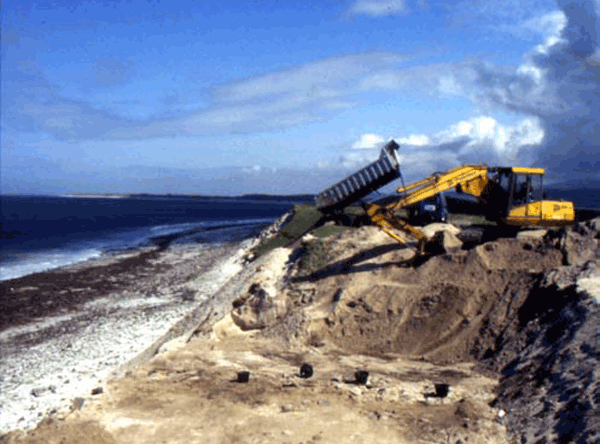
Aeolian archaeology: the archaeology of sand landscapes in Scotland
Vol. 48 (2011)Aeolian archaeology: the archaeology of sand landscapes in Scotland
Contributors: Susan Dawson, Alastair G Dawson, Jason T Jordan, John Barber, Mike Parker Pearson, Jacqui Mulville, Niall Sharples, Helen Smith, Tom Dawson, Olivia Lelong and Ingrid Shearer
Summary: Landscapes characterised by a substantial presence of aeolian (wind-blown) sand are predominantly coastal, and range from active dunefields with high and unstable relief, to smoother and more stable grassed surfaces which may be subject to some degree of agricultural use. Some are remote and inaccessible, but others exist in closer proximity to conurbations and tourist areas, and the impact of visitors is therefore comparatively great. In addition to the ever-present scouring and redistributing forces of sea and wind, other pressures on the stability of these landscapes include aggregates quarrying, development and the ubiquitous presence of wild burrowing fauna, most obviously the rabbit. Sand creates dynamic 'soft' landforms which are subject to continuing change, to the extent that photographs or maps of just 100 years ago often present very different topographies from those visible today. This report is a collection of five papers presented on the archaeology of Scotland's coast line.
Keywords: Aeolian Windblown Sand, Aggregates Quarrying Development, Settlement
Period: medieval
Location: Scotland, UK
-
A later prehistoric settlement and metalworking site at Seafield West, near Inverness, Highland
Vol. 47 (2011)A later prehistoric settlement and metalworking site at Seafield West, near Inverness, Highland
Contributors: Ann Clarke, Trevor Cowie, Fraser Hunter, Andrew Heald, Katherine Eremin, Melanie Johnson, Ruth Pelling, Ian Mack and Gerry McDonnell
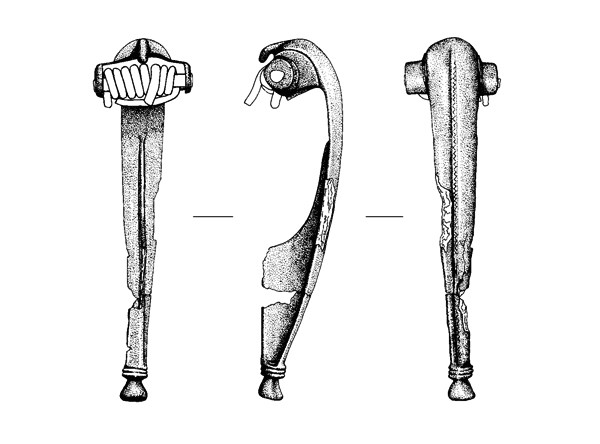
Summary: Construction in 1996 at a major retail development site close to Inverness, Highland (NGR: NH 694 445) resulted in the destruction of two known cropmark sites. One set of cropmarks was found to be associated with a Bronze Age log-boat burial site and the results of the ensuing excavation are published elsewhere (Cressey & Sheridan 2003). The excavation of a second area of cropmarks forms the subject of this publication. The archaeological remains consisted of a series of negative features, post-holes and annular ditches which form parts of at least nine separate structures of a later prehistoric unenclosed settlement. A mould fragment indicated Late Bronze Age sword production in the vicinity. A palisaded enclosure produced a copper-alloy brooch that is a rare find for the region. Evidence of copper-alloy objects and metalworking from a smelting hearth and slags show that the occupants were of some status. Some of the structural and artefactual evidence compellingly points to an in situ ironworking workshop. A large cache of smithing charcoal found in association with a smelting hearth was radiocarbon dated to 180BC–AD70 and represents one of the few dated in situ Iron Age ironworking episodes in Scotland.
Keywords: Postholes, Cropmarks, Charcoal, Ditches, Slags, Cropmark, Sword, Metalworking, Palisaded Enclosure, Logboat Burial, Copperalloy Brooch, Settlement, Hearth, Ironworking
Periods: prehistoric, Iron Age, Bronze Age, Late Bronze Age
Location: Highland, Scotland,UK
-
Lockerbie Academy: Neolithic and Early Historic timber halls, a Bronze Age cemetery, an undated enclosure and a post-medieval corn-drying kiln in south-west Scotland
Vol. 46 (2011)Lockerbie Academy: Neolithic and Early Historic timber halls, a Bronze Age cemetery, an undated enclosure and a post-medieval corn-drying kiln in south-west Scotland
Contributors: Sue Anderson, Mhairi Hastie, Adam Jackson, Melanie Johnson, Ray M McBride, Dawn McLaren, Peter Northover, Alison Sheridan, Jennifer Thoms and Graeme Warren
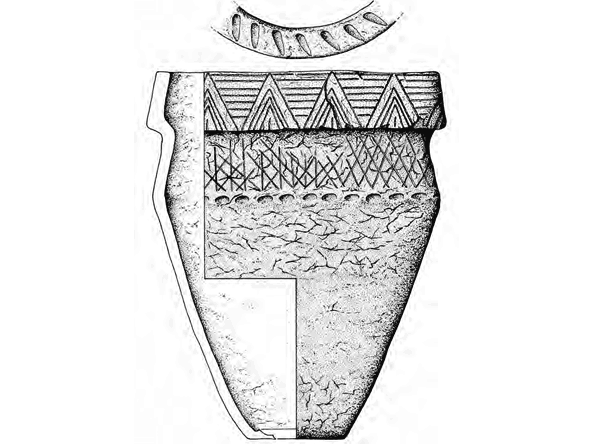
Summary: Trial trenching carried out by CFA Archaeology Ltd in 2006 to the north of Lockerbie Academy (NGR: NY 13398273) identified four areas of archaeological significance covering a timescale from early Neolithic to post-medieval periods. The earliest site identified was the remains of a Neolithic timber hall, which was situated on top of the flat plateau towards the northwest end of the site (Area A). Pottery recovered from the Neolithic structure was of the Carinated Bowl ceramic tradition. At the summit of the rounded knoll in the centre of the area (Area D) a Bronze Age phase consisting of a cremation and inhumation cemetery enclosed by a possible ring-cairn was identified. The Bronze Age cemetery included a Collared Urn and a copper alloy dagger of Butterwick type. At the base of the rounded knoll, the remains of an Early Historic timber hall were identified (Area C). This Anglian timber hall reoccupied the site of a post-built structure, which was interpreted as a timber hall, possibly belonging to an earlier British tradition. Radiocarbon dates taken from the primary fill of two of the post-holes of the earlier structure gave dates which are broadly contemporary with the dates obtained for the Anglian hall, suggesting that the post-built structure immediately preceded it. A corn-drying kiln was identified cut into the same knoll as the Bronze Age cemetery (Area D) and has been dated to the late medieval or early post-medieval period. A segmented ditched enclosure was located towards the north-east end of the site (Area B), but the poor survival of this feature combined with a lack of finds and palaeobotanical evidence means that it remains undated and poorly understood.
Keywords: Timber Hall, Copper Alloy, British Tradition Radiocarbon, Kiln, Ditched Enclosure, Pottery, Cemetery, Early Historic Timber Hall, Inhumation Cemetery, Cremation, Ceramic, Postholes
Periods: Neolithic, Bronze Age, medieval, post-medieval
Location: Dumfries and Galloway, Scotland, UK