Aeolian archaeology
the archaeology of sand landscapes in Scotland
DOI:
https://doi.org/10.9750/issn.2056-7421.2011.48.1-105Keywords:
Aeolian Windblown Sand, Aggregates Quarrying Development, SettlementAbstract
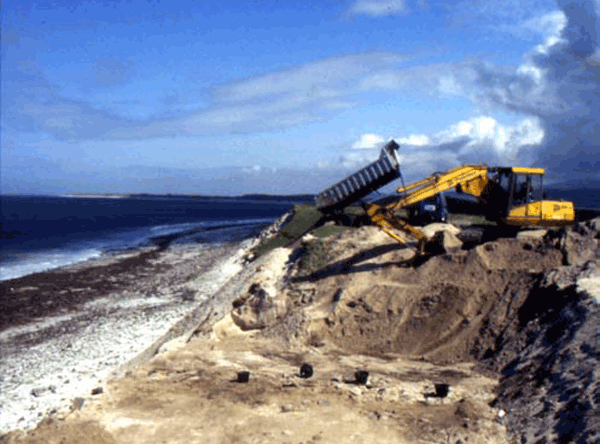
Landscapes characterised by a substantial presence of aeolian (wind-blown) sand are predominantly coastal, and range from active dunefields with high and unstable relief, to smoother and more stable grassed surfaces which may be subject to some degree of agricultural use. Some are remote and inaccessible, but others exist in closer proximity to conurbations and tourist areas, and the impact of visitors is therefore comparatively great. In addition to the ever-present scouring and redistributing forces of sea and wind, other pressures on the stability of these landscapes include aggregates quarrying, development and the ubiquitous presence of wild burrowing fauna, most obviously the rabbit. Sand creates dynamic 'soft' landforms which are subject to continuing change, to the extent that photographs or maps of just 100 years ago often present very different topographies from those visible today. This report is a collection of five papers presented on the archaeology of Scotland's coast line.
Downloads
Downloads
Published
Issue
Section
Categories
License
Copyright (c) 2011 Patrick Ashmore, David Griffiths and the individual contributors

This work is licensed under a Creative Commons Attribution-NonCommercial 4.0 International License.